


Roles of an Anesthesiologist during TURP
Transurethral resection of the prostate (TURP) is a common surgical procedure performed to alleviate symptoms of benign prostatic hyperplasia. As with any surgery, the anesthesiologist plays a critical role in ensuring patient safety, comfort, and optimal surgical...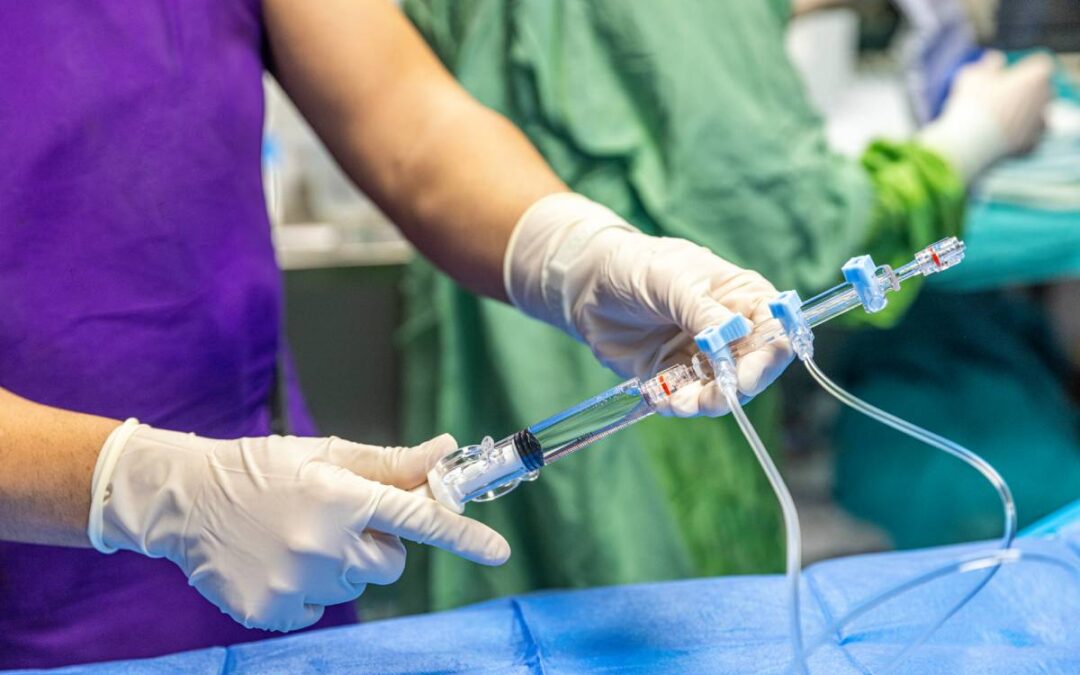
“Synergy” Between Anesthetic Agents
Drug interactions occur when one drug influences the behavior and effects of another, potentially enhancing or diminishing their effects or creating new therapeutic or adverse outcomes. Clinicians must be aware of drug interactions, especially during the perioperative...
Management of Patient Movement Under Sedation
Patient movement under sedation is a significant concern during procedures that require precise technique or that can be harmful to patients if disrupted. Managing this issue is crucial to ensure a safe, smooth, and successful procedure. Sedation is the...
New CPT Codes for Pain Medicine
The Current Procedural Terminology (CPT) system, maintained by the American Medical Association (AMA), is a set of codes used by healthcare professionals to document medical services and procedures for billing and insurance purposes 1. CPT codes are essential for...


Recent Comments